The best of home, beauty, sleep, travel and coastal living, from Palm Beach to Europe, chosen for how it's made as much as how it looks. Every pick is chosen from the evidence, and every claim is checked.
Luxury used to mean the softest sheets, the best hotel, the candle that fills a room. Now it also means knowing what's in them. We look for the pieces that are beautiful, built to last, and made without the ingredients and materials we'd rather not live with.
We choose for real South Florida life: humid summers, salt air, hurricane season and all. When something earns a place, we tell you why, and we show you the sources.
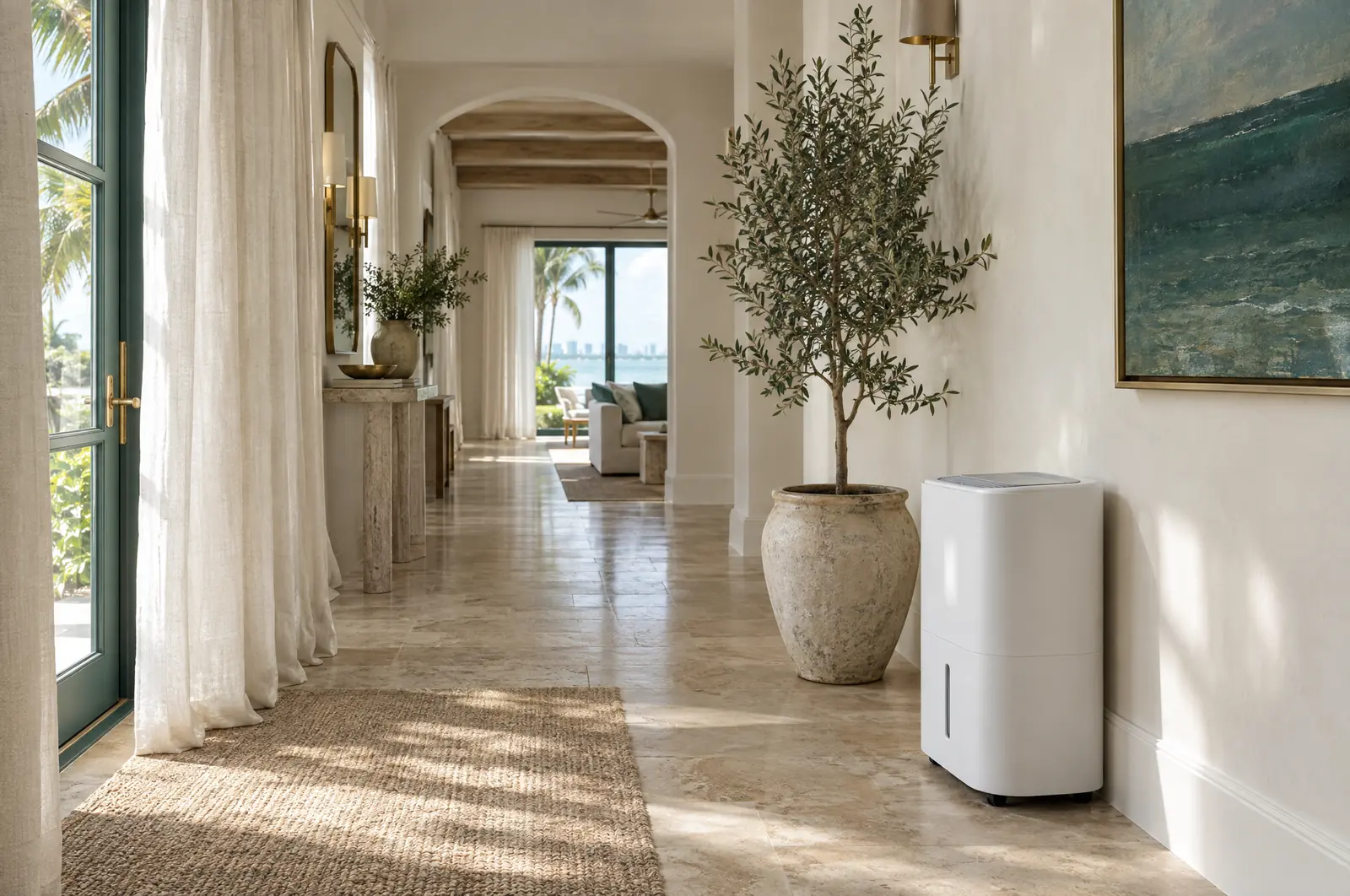
A purifier will not dry a damp house, and it should never add ozone to it. Here is what one does do, how to size it by the numbers, and six machines, most of them made to be seen, for rooms from the dressing room to the open-plan living room.
Weave, fiber and the fine print on the label: seven sets from the great bedding houses of Belgium, Italy and Massachusetts, and one better-value linen.
Disclosed waxes and wicks, and scents that know when to stop. What the word "fragrance" hides on a label in the US and Europe, what a candle maker can tell you and often doesn't, and five perfumes and candles from houses that show their work.
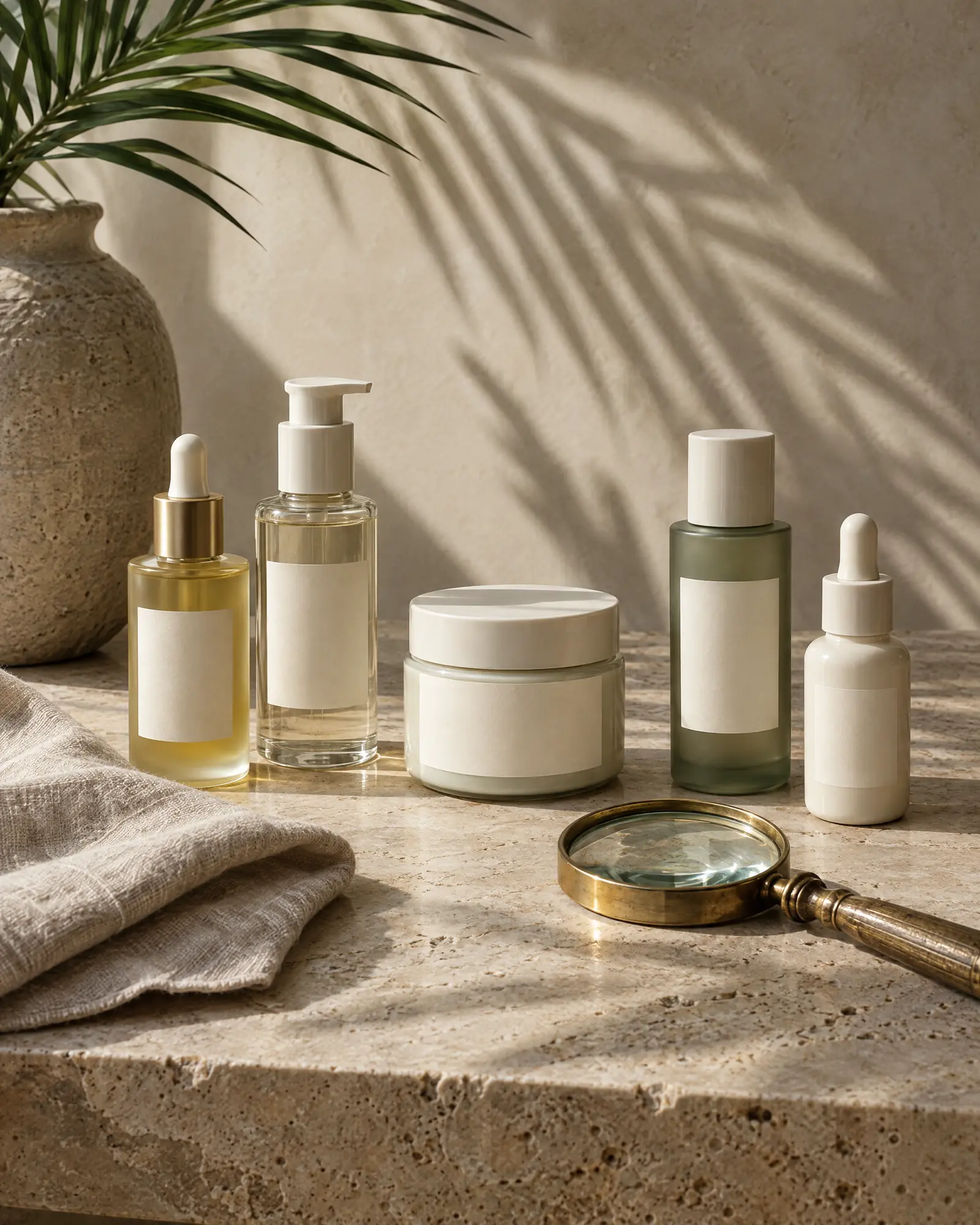
Six face-care formulas from houses that publish their full ingredient lists, from a $75 eye cream to a $315 jar. How to read a luxury ingredient list, what the seals on the box really certify, and why the price is never the proof.
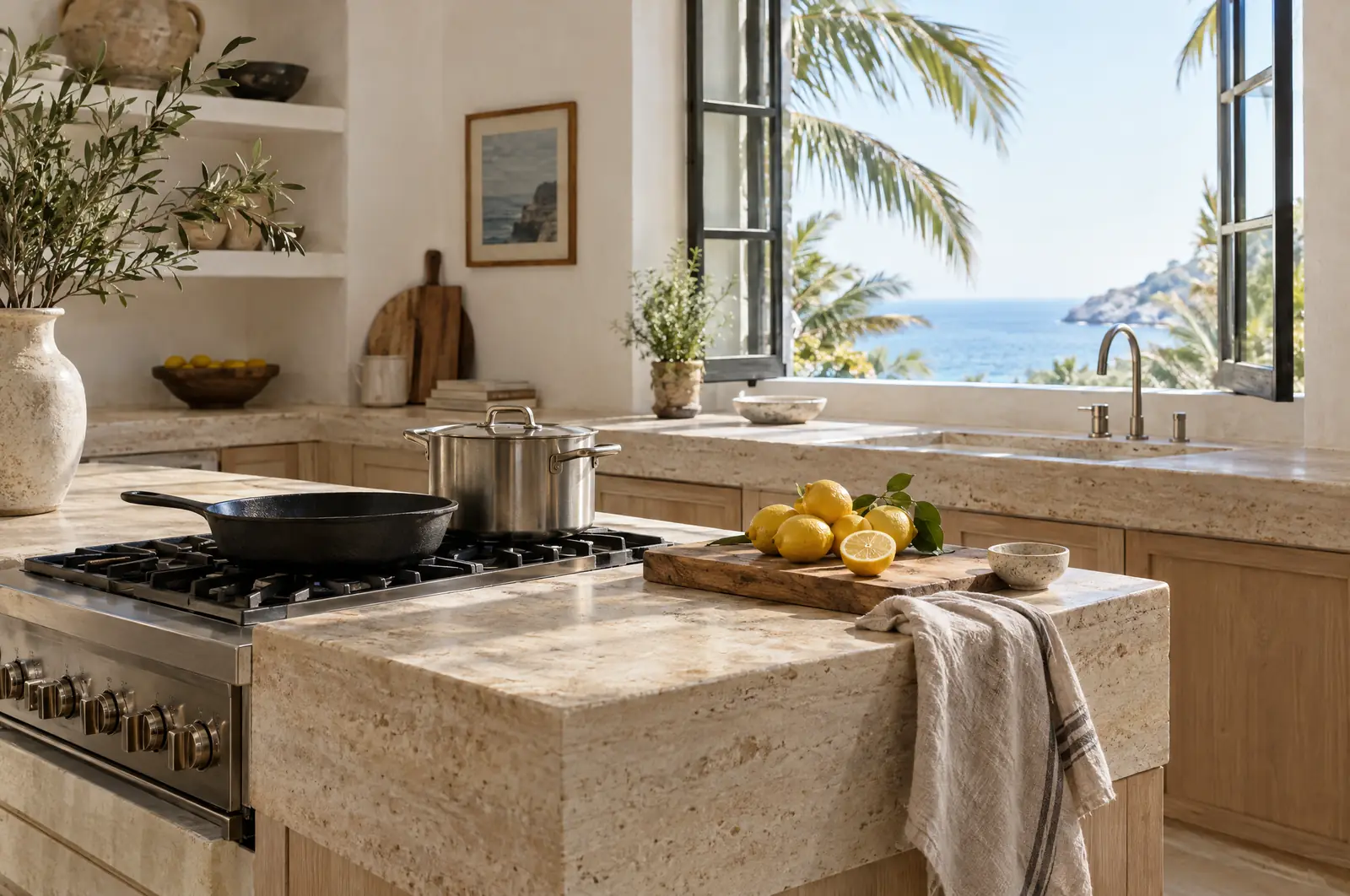
Stainless, cast iron, enameled iron, carbon steel and ceramic, what each asks of the cook, and seven pieces from the great French, Belgian, Italian and American makers, with one better-value skillet.
In a house that breathes sea air for most of the year, drying it is a matter of numbers. Here is how to read them, and seven machines worth a look, led by the systems that disappear into the house.
Seven hotels, from the historic spring towns of Baden-Baden, Bad Ragaz, Évian and Saturnia to the high Alps, chosen for what they publish about their water, energy, kitchens and spas, with the seasons they keep and how to reach them.
Behind the green cross, a short shelf of quiet, well-made basics, and five French houses that take the same idea to the salon, the spa and the department store. What they are, what is in them, and where to find them on either side of the Atlantic.
Seven unhurried days by boat and on foot: three lakeside hotels chosen for what they publish about their gardens, kitchens and spas, three historic gardens, MICHELIN-listed tables, and how to move, swim and boat safely on the lake.
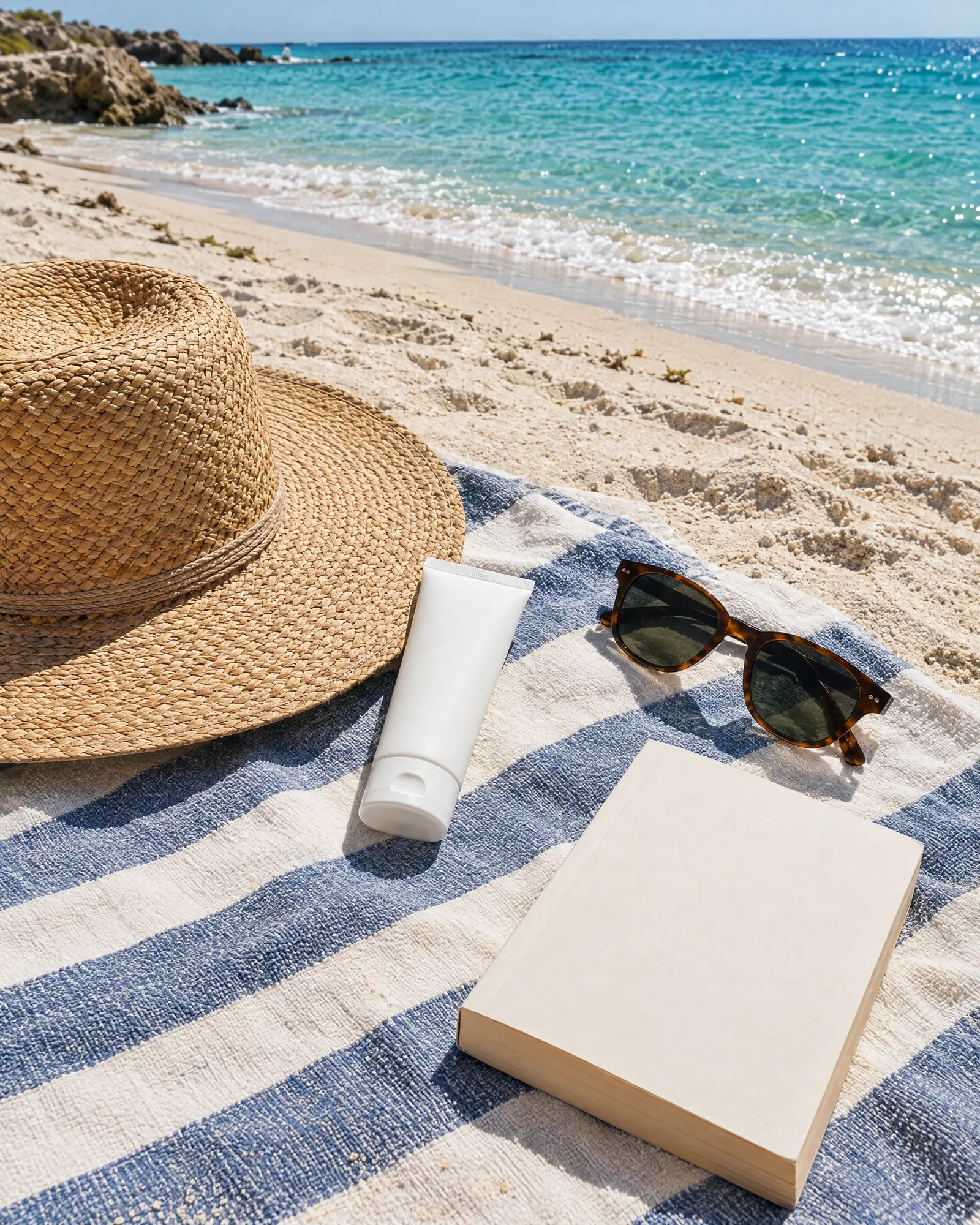
Zinc, titanium and the prestige formulas worth carrying to the beach in a Florida summer: seven picks read from their Drug Facts labels, and a straight answer on reef safe.
Wool, jute, sisal, seagrass, silk and cotton underfoot in a humid house: how each fiber behaves with damp and moths, what is on the back, what the labels mean when you look them up, and seven rugs from houses that say what they are made of.
Frames, fabrics and finishes that belong on a coastal terrace: teak and FSC, 316 versus 304 stainless, powder-coated aluminum, solution-dyed acrylic, woven fiber and quick-dry foam, with seven pieces from the great outdoor houses and what to do when a storm is coming.
Seven hotels from Jupiter to Boca Raton, chosen for what they publish about their spas, kitchens, water and footprint, and, where a hotel holds one, for the certification or verification we could confirm on the certifier's own records.
Seven grand hotels by the Mediterranean, chosen for what they publish about their gardens, kitchens, spas and footprint, with the seasons they keep and how to reach them.
We'd rather show our work than use the word "non-toxic."
Every category gets a written standard: what we look for, what we avoid, and which certifications we check on the certifier's own site, with the date we checked.